
Viewing entries in
Credit Reports and Scores

Comment

Saving Money 101

Saving Money 101 

by Michelle Black

Everyone loves to save money. Saving money is the quickest way for you to move closer to a balanced budget and a healthier credit report. In that spirit we will be featuring a multi-part blog series with some fantastic debt busting, money saving tips for you to start using immediately. If you can put even a few of these great suggestions to use you will see a big benefit in your finances. So, without further ado, let's get started with today's tip:

Tip #1: Ask for a lower rate. Sometimes saving money is as simple as picking up the phone. You can start by calling your credit card companies and ask for a lower interest rate on your current credit cards. (This works best if you have a good payment history on your credit cards.) When you speak with the customer service agent regarding your account the first thing you want to ask is "Do you have the authority to change my interest rate?" If the answer is no then politely request to speak with someone who does that that authority, perhaps a supervisor. Once you have the right person, explain that you have seen offers for other credit cards at lower interest rates - which we all have received in the mail, via internet advertisement, or on TV - and that you would rather stick with your current card company if they are willing to offer you a lower rate. Be kind but persistent and explain why it is not affordable for you to continue paying the higher interest rate. I personally have seen my interest rate reduced from 14.99% to 9.99% by using the exact method above.

Remember, a lower interest rate can save you a ton of money depending upon the amount of your credit card balances. Of course, your best bet is always to pay off all of your credit card debt and keep money wasted on interest for yourself and your family. Please feel free to contact us if you would like to request a free copy of HOPE's Debt Snowball Payoff Plan which can help you to plan a strategy which can get out of credit card debt for good.  If you would like more personalized advice we are here to help as well! Just give our friendly staff a call at 704-499-9696 and we will be more than happy to assist you. Don't forget to check back later this week for more great money saving tips!

P.S. We would love for you to join our online community on Facebook and Twitter!

Comment

Comment

Your Tax Refund Could Equal Healthy Credit If Invested Wisely!

Every year at tax refund time we have many clients wisely choose to  invest part of their tax refund check towards achieving a healthy credit report. Wouldn’t you love for 2012 to be the year when you finally reach the higher credit scores you desire? Wouldn’t it be wonderful if 2012 was the year when you were finally able to stop those pesky collection calls and possibly even become a homeowner? HOPE would love the opportunity to help you reach your goals! You can join the ranks of the 85+ HOPE graduates who have completed the program with credit scores healthy enough to purchase a home in just the last 4 months! Call or email us today to schedule your own personal, no obligation credit analysis with one of our credit experts to see if the HOPE Program is right for you. We can’t wait to hear from you soon!

Comment

Comment

Why Are Credit Scores Important?

So, you likely already know the basic principle about what a credit score is used for and, therefore, why it is important to have a good one.  Whenever you apply for a loan (car loan, mortgage loan, credit card loan, personal loan, etc.) a lender is going to look at your credit score and decide whether or not you qualify.  If your credit score is high enough, you can likely expect to be approved for the loan (provided you earn enough income to qualify). However, a low credit score could result in you being declined for the loan you want or, if you are approved, it could mean a higher interest rate and a bigger down payment.

To put it simply, credit scores (and your credit report) are a type of report card which future lenders get to look at when you apply for a loan.  The “report card” shows lenders a picture of how you pay your bills – on time, late, or not at all.  If your credit report shows that you have a history of paying your bills on time then future lenders will want to loan you money as well since, chances are, you will pay the payments on time and they will be able to earn a profit from you in the form of interest.  However, if your credit report shows that you have a history of paying your bills late or not at all then future lenders will be scared to loan you any more money.  The reason they will be hesitant to loan you more money is because chances are higher that they may not get paid back for their investment, much less make any kind of profit through interest fees.

In our current culture, credit scores impact our lives in many ways.  I already mentioned how you will need a good credit score to qualify for any type of loan.  However, did you also know that your credit score may be used to determine you auto insurance rate and whether or not you have to put down a deposit when opening a new utility or cell phone account?  Plus, it is now a common practice for employers to pull your credit score when you are applying for a new job.  Depending upon the industry in which you work, your current employer may even access your credit report to determine whether or not you are “credit worthy” to remain employed with the company.

Since credit affects so many different aspects of our lives, it is more important than ever to have a healthy credit score.  However, if you find yourself in the uncomfortable situation of having a subprime credit score (a consumer score of 649 or lower) then HOPE would like to encourage you to give our credit experts a call.  Remember, you do not have to feel embarrassed or defeated due to a subprime credit score!  Bad credit scores happen to good people all the time. In fact, over 60 million American currently have a subprime credit score so, if you are in the same boat, you certainly are not alone! You still deserve to be treated with dignity and respect. Don’t ever let anyone make you feel otherwise.

You can make a plan today to start improving your credit scores.  Please contact us via email or phone at 704-499-9696 to learn more about how the HOPE Program can help you to achieve the healthier credit you desire! 

*Follow us on Facebook and Twitter today for access to free weekly credit tips and more!

Comment

Comment

Free Class - Priceless Knowledge!

Does your job offer credit education classes?  If not, then ask your boss to feature a HOPE Credit Expert at your next staff meeting! These free classes can be tailored to fit into any schedule.  Our experts can give a quick, 5 minute "credit tip" or even an in depth 1 hour training session on how to achieve healthier credit. HOPE would love to help you give a little something back to your hardworking employees. Please contact us today for more information or to schedule a free credit education class for your company.  Just don't wait too long - our calendar fills up fast!

Don't forget: HOPE Credit Experts are available for your next church seminar or school event as well! Clean credit and the peace of mind that comes along with it is a priceless gift! Why not share it with your employees, friends, and family? We hope to hear from you soon!

Follow us on Facebook and Twitter for personal access to great weekly credit tips!

Comment

Comment

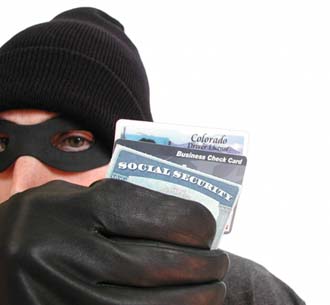
Combat Identity Fraud Effectively!

Combat Identity Fraud Effectively! By Michelle Black

We have spent a lot of time over the last month discussing ways that you can protect yourself from one of the nation's fastest growing crimes - identity theft.  If you have not yet had the opportunity to read our 10 part blog series, Protecting Yourself from Identity Theft, we would love to invite you to do so. Simply check out our June blog archives to get started.  Remember, if you educate yourself on the tactics used by ID thieves then it will be much, much harder for any identity thief to take advantage of you.  Here's a quick summary of the 10 best ways to protect yourself from identity theft:

1. Check your credit report for fraud! It's important to check your credit at least twice per year.  Nearly 90% of current credit files contain mistakes, fraud, or errors!  (Click on the link above for additional details.)

2.  Make copies of your credit cards! This will enable you to act quickly in the event that your credit card is lost or stolen. (Click on the link above for additional details.)

3.  Shred, burn, or otherwise destroy "thief prone" documents. Keep "dumpster divers" from stealing sensitive information right out of your trash can! Check out the full article (by clicking the link above) for full details on which kinds of documents you should always destroy in order to protect yourself.

4. Don't give personal information on the phone unless YOU initiated the call. Beware, beware, beware of telephone scam artists who will try any tactic necessary to steal your personal information right over the phone. (Click on the link above for additional details.)

5.  Never leave personal information in your car. It's all too easy for an identity thief to break into your car and steal sensitive personal information.  Once your ID is stolen it can become a nightmare to regain your good name so always follow this important step to protect yourself.  (Click on the link above for additional details.)

6.  Don't fall for phishing scams! Never reply to an email or instant message with your personal information. Remember, identity thieves are getting more and more creative, so even if the email looks like it originated from your bank or another personal creditor you should never reply to it or click on a link to provide any personal information, user name, or password.   (Click on the link above for additional details.)

7. Don't put checks in your mailbox. Mail theft is a common form of identity fraud.  It is easy for a crook to steal your check and use acid wash to change the name of the recipient. It is always safer to drop your checks off at the post office for mailing or to pay bills online via a secure website.  (Click on the link above for additional details.)

8.  Don't carry unnecessary personal documents in your wallet or purse! Extra credit cards, birth certificates, marriage licenses, and even social security cards should not be kept in your wallet or purse. In the event that your wallet/purse is lost or stolen you make it much easier for an identity thief to cause severe damage to your credit if this information is easily accessible.  (Click on the link above for additional details.)

9.  Monitor your statements every month. A great way to prevent serious identity fraud is to monitor your statements closely. Early detection of fraudulent activity can often protect your credit report and help you to avoid paying for any charges you did not authorize.  (Click on the link above for additional details.)

10. Take your name off promotional lists. The fewer promotional offers you receive in the mail the harder it is for an identity thief to steal an offer and apply for it in your name.  Plus, removing yourself from these lists will help to reduce the amount of pesky junk mail you receive - bonus! Check out the link above for detailed instructions on having your name removed from these lists.

Please feel free to share today's article with your online friends and family by clicking our easy to use "share" buttons below.  We would love for you to join HOPE in the fight against identity fraud! And remember, if you or a loved one has already been a victim of identity fraud there is still hope for you.  Just give our caring credit experts a call at 704-499-9696 for more information on how the HOPE Program has been helping victims of identity fraud (and countless other credit issues) for 11+ years.  We would love to give you our professional advice and see if the HOPE Program can be of any assistance to you.

Check out the HOPE online community at Facebook and Twitter! Follow us today for access to free, valuable credit tips every single week.

Comment